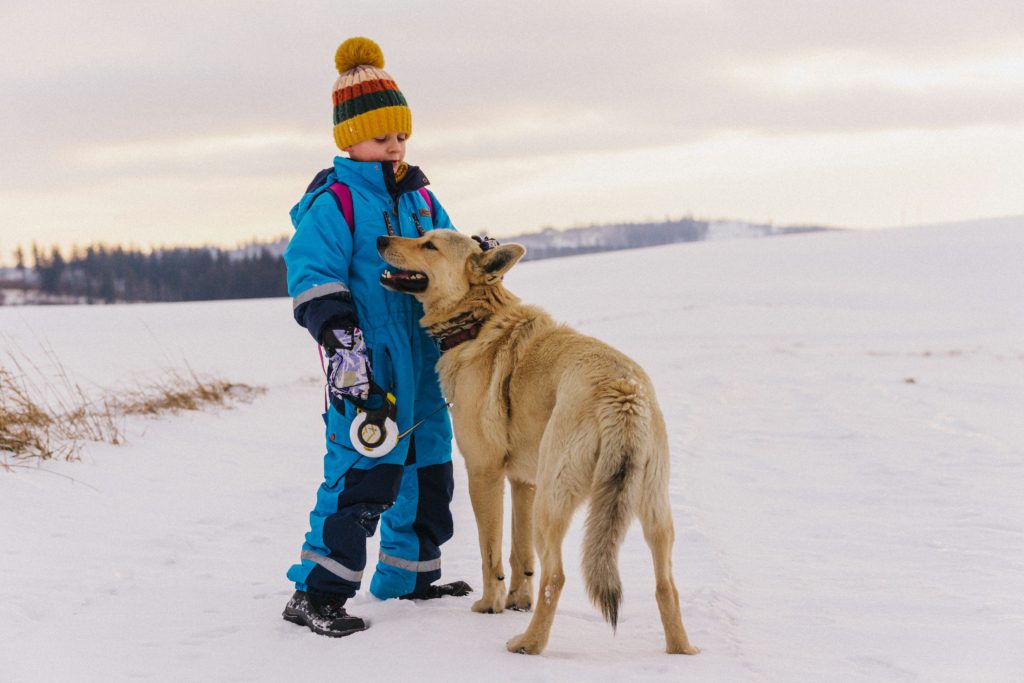
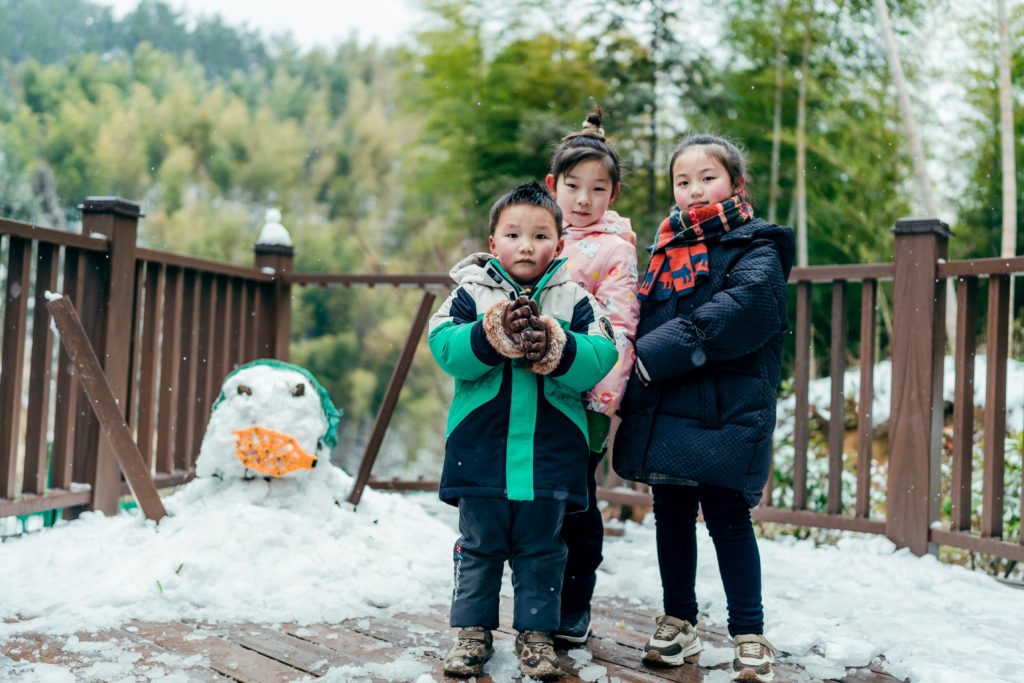
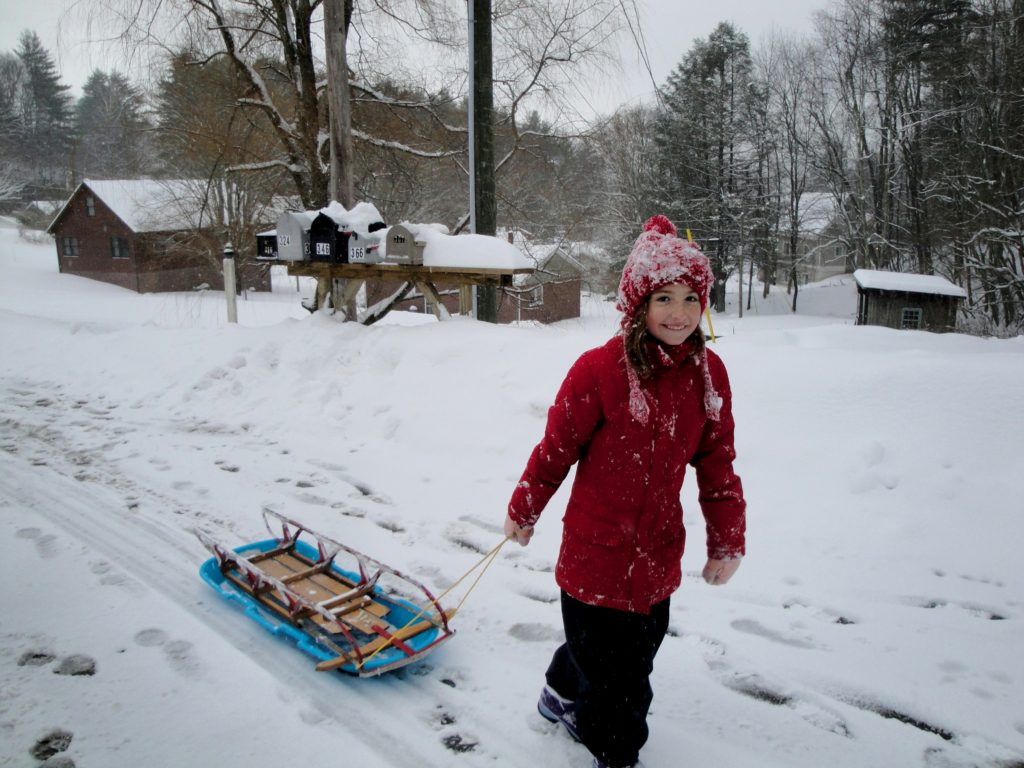
When routines tighten and daylight fades kids feel it fast. Outdoor time in winter is one of the most effective ways to protect kids’ mental health even when temperatures drop. Fresh air movement and natural light help reset moods calm anxious energy and improve focus when cabin fever starts creeping in.
Outdoor time in winter does not need to be long or elaborate to matter. A short walk backyard play or bundled up park visit gives kids space to release stress and reconnect with their bodies. When kids get outside consistently during winter they tend to sleep better regulate emotions more easily and feel more balanced overall.
It is tempting to stay indoors when it is cold but outdoor time in winter is often exactly what kids need most. Making it a habit now helps prevent emotional buildup later and supports mental health in a way screens and indoor play cannot replace!
Outdoor time in winter gives kids a natural outlet for emotions that often build up indoors. Cold months can bring more frustration restlessness and mood swings especially when routines change and movement is limited. Getting outside helps kids release that energy in a healthy way and supports emotional balance.
Outdoor time in winter also helps reset the nervous system. Fresh air and physical movement reduce stress hormones while increasing calm focus which makes it easier for kids to regulate big feelings. When outdoor time in winter becomes consistent kids often show fewer meltdowns and better emotional control throughout the day.
The Connection Between Fresh Air and Kids’ Mood
Outdoor time in winter exposes kids to fresh air that improves oxygen flow and boosts overall mood. Even short outdoor breaks can make kids feel more energized and less irritable during the colder months.
Outdoor time in winter also helps break monotony. Being outside gives kids a change of scenery which can lift spirits and create moments of joy even on gray days. This simple shift can make a noticeable difference in mood and motivation.
Outdoor time in winter helps kids get exposure to natural light when daylight hours are limited. Sunlight plays a key role in regulating circadian rhythms which directly affect mood sleep and energy levels.
Outdoor time in winter supports healthy serotonin production which helps kids feel happier and more emotionally stable. When kids spend more time outside during daylight hours they often experience improved sleep patterns and better overall mental health.
Outdoor time in winter can significantly reduce anxiety by giving kids space to move freely and breathe deeply. Physical play outdoors helps release tension that builds up during long indoor days.
Outdoor time in winter also provides sensory input that grounds anxious minds. Natural sounds cooler air and open spaces help kids feel calmer and more secure. Over time regular outdoor play during winter can lead to lower stress levels and improved coping skills.
How Cold Weather Movement Improves Focus and Sleep
Outdoor time in winter helps kids burn energy in a way that supports better focus during the day and deeper sleep at night. Cold weather movement increases circulation and alertness which can improve attention spans.
Outdoor time in winter also supports healthy sleep cycles. Kids who move their bodies outside during winter often fall asleep faster and stay asleep longer. This combination of better focus and improved sleep creates a positive cycle for mental health.
Outdoor time in winter offers benefits that screens simply cannot replicate. Screens limit movement and often overstimulate the brain while outdoor environments encourage physical activity and mental calm. Outdoor time in winter provides real world sensory experiences that help kids regulate emotions and stress. While screens can be entertaining they do not offer the same mental health support that comes from fresh air movement and natural light.
Kids’ mental health does not take a seasonal break which is why outdoor time in winter needs to stay a priority. Even brief daily exposure to fresh air and movement can shift moods reduce irritability and support emotional resilience when winter feels long.
Outdoor time in winter also helps kids feel more grounded and capable. When they move their bodies outside they gain confidence burn off stress and reconnect with the world beyond four walls. These small moments add up to calmer days and healthier minds.
Start making outdoor time in winter part of your family routine today. Bundle up step outside and give your kids the mental reset they need to thrive all season long.