

When temperatures drop and trails turn icy, knowing how to layer for winter hiking becomes the key to staying warm, safe, and confident outdoors. Without the right system, even a short hike can leave you cold, uncomfortable, and ready to turn back. With the proper approach, you’ll learn how to layer for winter hiking in a way that protects your body while still letting you move freely.
Every hiker needs a dependable plan, and understanding how to layer for winter hiking gives you the power to adjust as conditions change. Snow, wind, and sudden temperature drops are far easier to handle when your clothing works with you instead of against you. This guide breaks down the steps that help you maintain warmth while avoiding overheating or unnecessary bulk.
When you build your outfit intentionally, your winter hikes feel more enjoyable, more comfortable, and far safer. Learning how to layer for winter hiking sets you up for success whether you’re out for a short trek or a full day on the trail. With the right pieces and a solid strategy, you’ll be able to embrace winter instead of avoiding it.
How to Layer for Winter Hiking: Items You Need
• Moisture wicking base layers
• Fleece or wool mid layers
• Waterproof and windproof outer shell
• Insulated hiking pants or thermal leggings
• Wool socks for warmth and moisture control
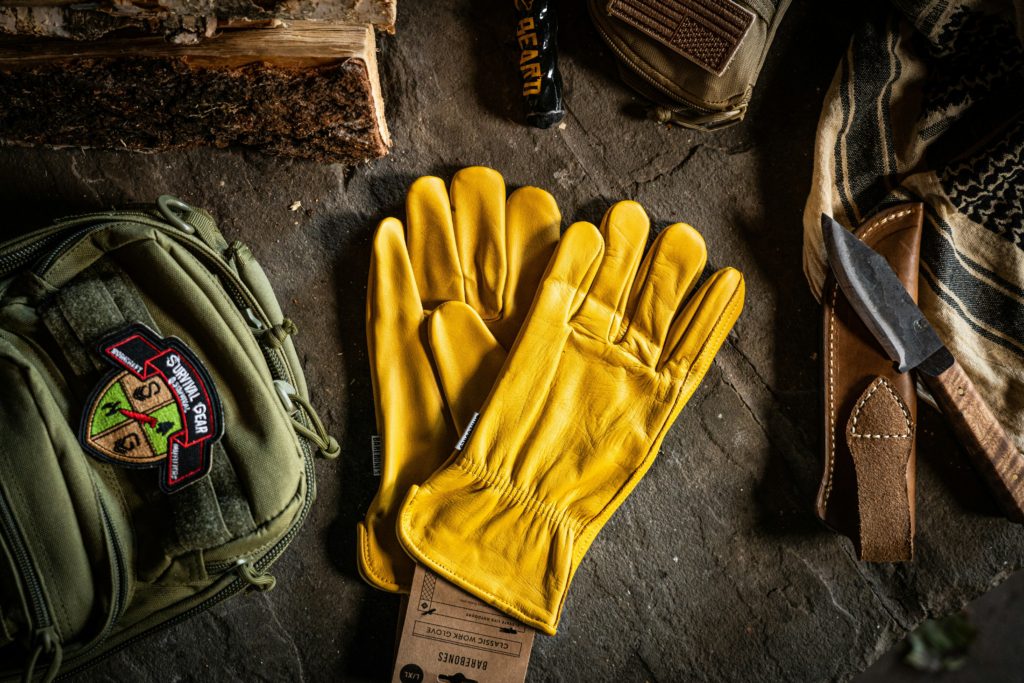
• Insulated gloves or mittens
• Warm hat or beanie
• Neck gaiter or balaclava
• Lightweight puffer for backup insulation
• Waterproof hiking boots
• Gaiters for deep snow conditions
• Hand warmers for extra comfort
• Backpack to store added layers
10 Tips for How to Layer for Winter Hiking
1. Start With a Moisture Wicking Base Layer
Your base layer sits directly against your skin, so it needs to pull sweat away from your body. This helps regulate your temperature and keeps you dry, which is essential when learning how to layer for winter hiking. Moisture near your skin can make you cold quickly, especially in windy conditions. Choose synthetic or wool fabrics that dry fast and feel comfortable during movement. A strong base layer sets the foundation for the rest of your system.
2. Add an Insulating Mid Layer

The mid layer is what traps body heat and helps you stay warm without overheating. When figuring out how to layer for winter hiking, this layer should be flexible enough to remove or add as needed. Fleece, wool, or lightweight puffer jackets are great options because they provide warmth without too much bulk. This layer also helps maintain comfort during breaks or slower hiking segments. Having a reliable mid layer makes cold weather feel manageable.
3. Choose a Windproof and Waterproof Outer Layer
Your outer layer shields you from wind, snow, and freezing rain. When deciding how to layer for winter hiking, this layer must be breathable so moisture can escape while still protecting you from harsh weather. Look for jackets with sealed seams and adjustable hoods for full coverage. The right outer layer can turn tough conditions into something you can handle with confidence. Never skip this layer, especially on exposed trails.
4. Avoid Cotton in Cold Weather
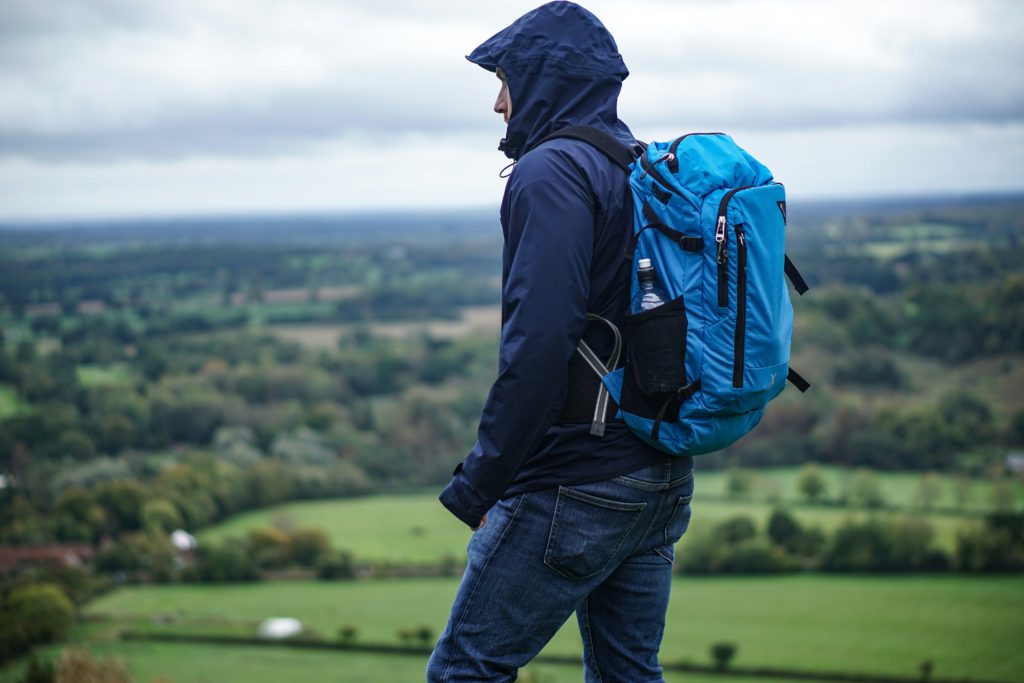
Cotton traps moisture and takes a long time to dry, which can leave you feeling chilled and uncomfortable. When learning how to layer for winter hiking, avoiding cotton is one of the easiest ways to stay safe and warm. Sweat soaked cotton can quickly lead to dangerous temperature drops. Instead, choose quick drying fabrics that support your body’s natural heat regulation. This small choice has a big impact on your comfort.
5. Manage Your Temperature With Zippers and Venting
Good layering isn’t just about what you wear but how you adjust it. When you understand how to layer for winter hiking, you’ll use zippers, vents, and hoods to regulate heat during activity. Opening vents during climbs prevents overheating, while closing them during rest keeps you warm. This helps you maintain a steady temperature without constant layer changes. Smart venting makes your hike feel far more controlled.
6. Pack an Extra Mid Layer

Weather can change quickly, especially in winter, so bringing a backup layer is always wise. When practicing how to layer for winter hiking, having an additional fleece or lightweight puffer can save you from unexpected cold. This extra layer adds versatility to your system and helps you adapt to sudden drops in temperature. It’s also helpful if your original mid layer gets damp. A backup gives you peace of mind on longer hikes.
7. Choose Hiking Pants With Layering in Mind
Your legs also need protection, though many hikers forget this. When discussing how to layer for winter hiking, insulated or lined pants are a must on colder days. For extreme cold, add thermal base layers underneath. This keeps your joints warm and prevents stiffness that can make hiking difficult. Comfortable legs mean a more enjoyable hike from start to finish.
8. Wear the Right Accessories
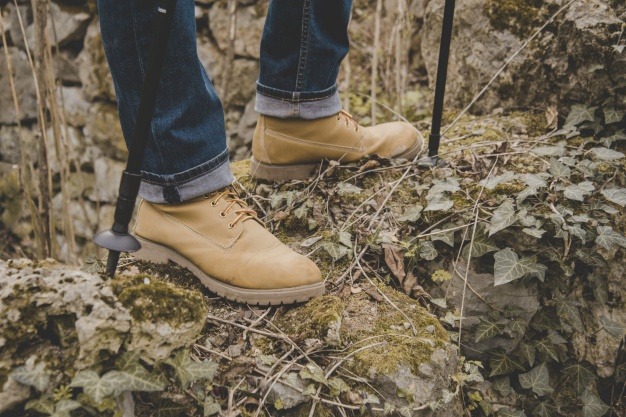
Hands, feet, and head lose heat quickly, so accessories are a key part of how to layer for winter hiking. Choose wool socks, insulated gloves, and a warm hat that covers your ears. Neck gaiters or balaclavas add extra protection against wind and snow. These small items make a big difference in keeping you comfortable on the trail. Never underestimate the power of accessories in harsh conditions.
9. Adjust Layers Before You Get Cold
A common mistake is waiting too long to add layers. When you truly understand how to layer for winter hiking, you’ll add warmth as soon as you feel a temperature drop. Once you’re cold, it’s much harder to warm up again. Staying ahead of the chill helps you maintain comfort throughout the hike. This habit becomes second nature with practice.
10. Consider the Weight of Your Layers
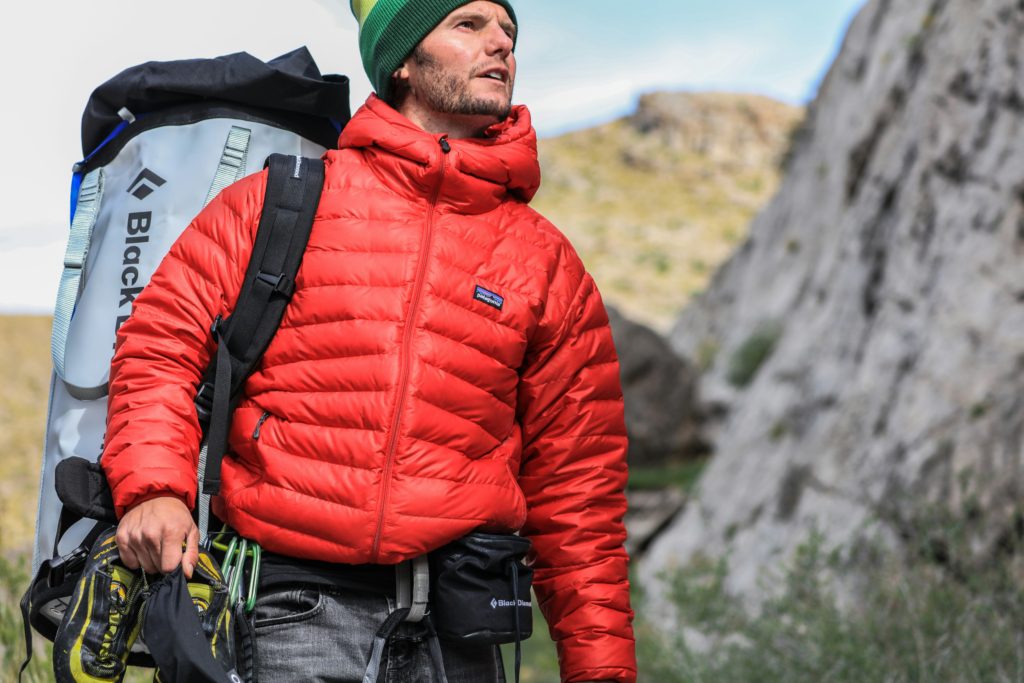
Heavy layers can slow you down and make movement difficult. When you learn how to layer for winter hiking, you’ll look for lightweight pieces that work together without bulk. Efficient materials provide warmth while still allowing full range of motion. Lighter layers also help reduce fatigue during long hikes. Prioritizing weight keeps you comfortable and mobile.
Why You Should Start Layering the Right Way Today
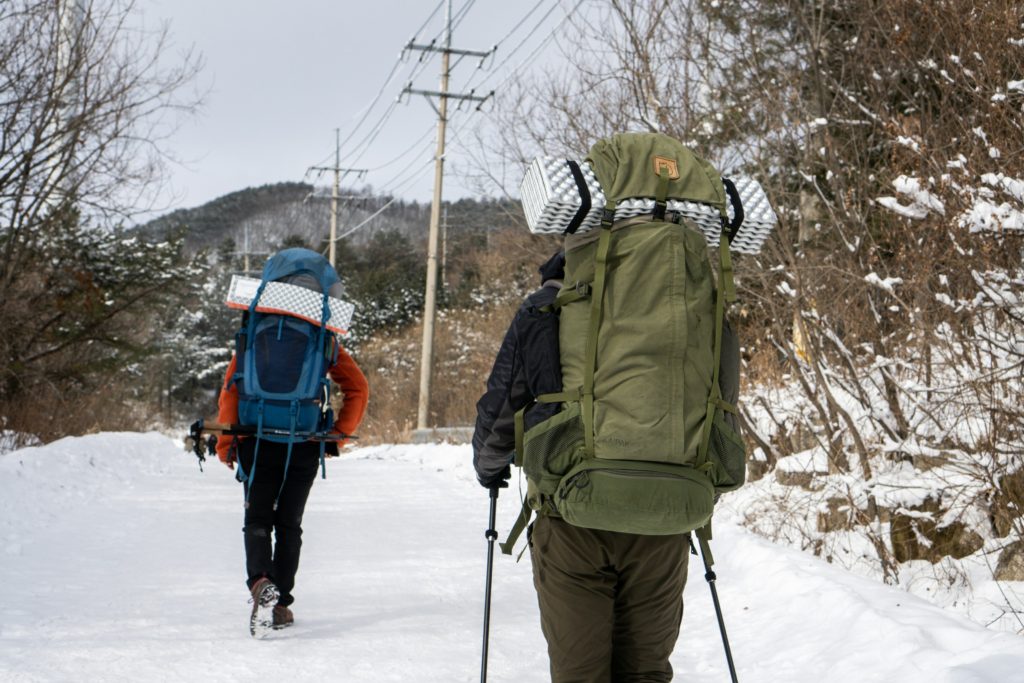
Cold weather doesn’t wait, and your comfort on the trail shouldn’t either. When you understand how to layer for winter hiking, you immediately create a safer and more enjoyable experience for yourself. Acting now gives you the chance to prepare rather than struggle through discomfort or risk cutting your hike short.
The right layers can transform a freezing day outdoors into a peaceful, energizing adventure. By focusing on how to layer for winter hiking, you protect your body from wind, moisture, and sudden temperature swings while staying warm and dry. These choices can make the difference between loving your winter hikes and dreading them.
You deserve a season filled with confidence on the trail, not frustration. Start planning how to layer for winter hiking today and give yourself the gear and knowledge that keeps you warm from your first step to your last. Take action now and set yourself up for the kind of winter hiking experience that feels empowering and enjoyable.