

Bringing a new pet into the house is exciting, but when kids are involved, it also comes with responsibility. Knowing how to introduce a new pet to kids safely can shape how that relationship develops from the very first day. A calm, thoughtful start helps everyone feel more secure and sets the tone for trust on both sides.
Many dads underestimate how overwhelming a new pet experience can be for children and animals alike. That’s why learning how to introduce a new pet to kids safely matters just as much as choosing the right pet in the first place. Rushed introductions can lead to fear, misunderstandings, or behaviors that are hard to undo later.
We want our kids to feel confident and kind around animals, not anxious or unsure. Understanding how to introduce a new pet to kids safely gives families a clear plan, reduces stress, and makes those first moments feel intentional instead of chaotic. When everyone knows what to expect, the transition feels far more manageable.
7 Essential Steps to Introduce a New Pet to Kids Safely
1. Set Expectations Before the Pet Comes Home
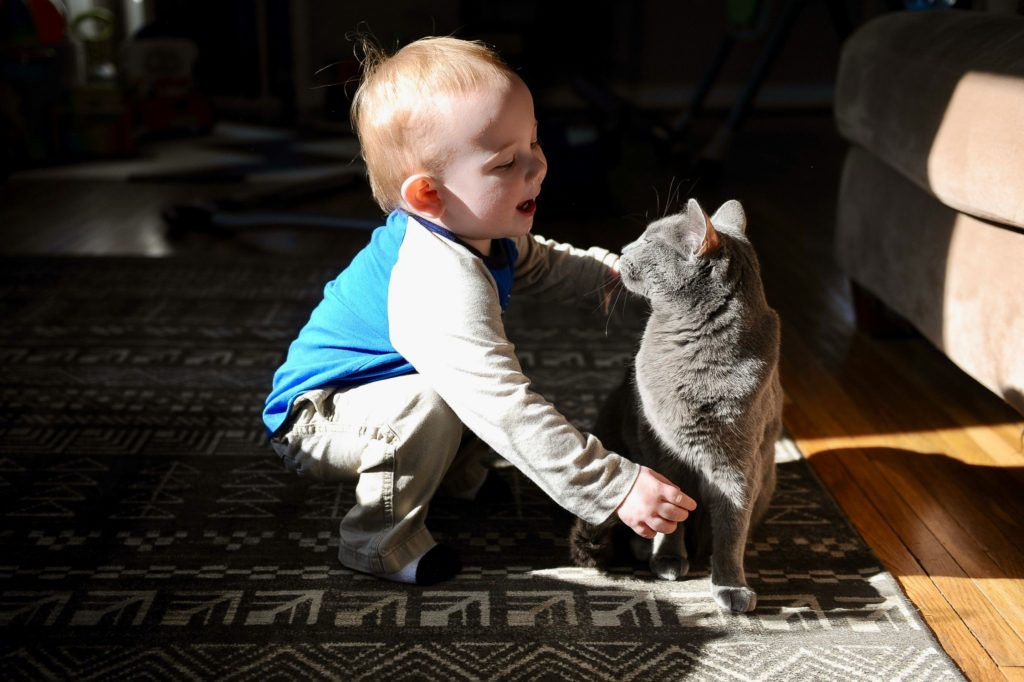
Preparation starts before your child ever meets the new pet. Talk through what daily life will look like, including feeding schedules, play time, quiet time, animal training time, and rules around touching and space. When kids know what to expect, they’re less likely to react impulsively or overwhelm the animal during those first interactions.
2. Create a Calm First Introduction
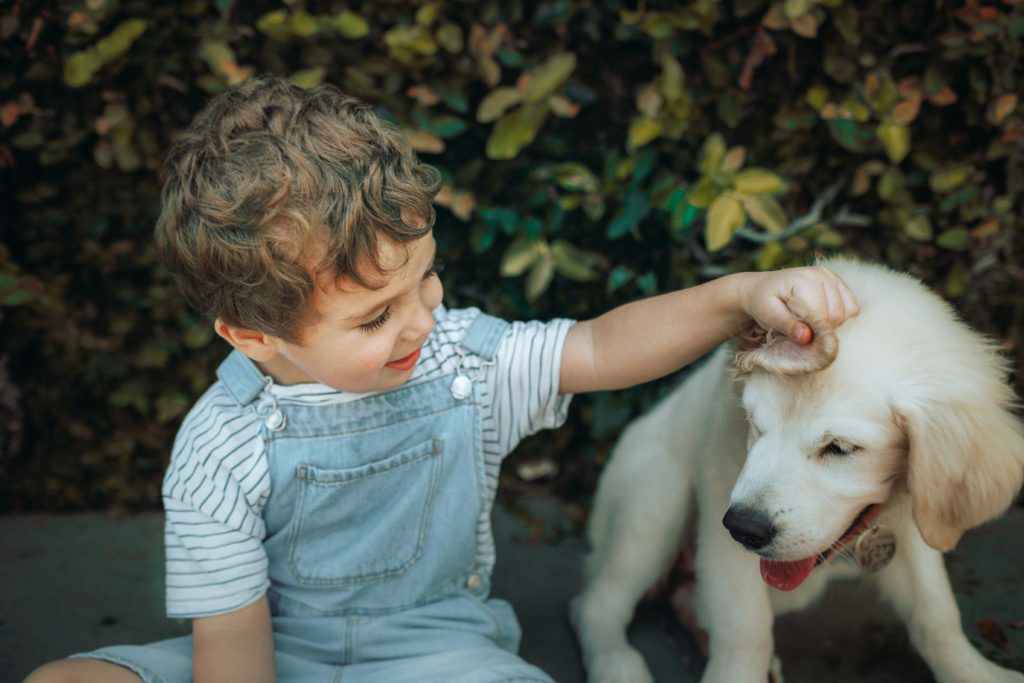
First meetings should be slow and low pressure. Choose a quiet space, keep voices calm, and limit excitement even though it’s tempting to celebrate. Let the pet observe your child from a safe distance at first, giving both sides time to adjust without feeling cornered.
3. Teach Your Child as Much as Possible About the Breed

Every breed comes with its own traits, energy levels, and sensitivities, which is why research matters. Reading up on breed characteristics helps kids understand why a pet behaves a certain way and what it needs to feel secure. Some families even choose DNA testing through Basepaws to get a clearer picture of temperament, health markers, and ancestry, which can be especially helpful if the breed mix isn’t obvious. The more informed your child is, the more empathy and patience they’ll bring to the relationship.
Related: Easy Paracord Dog Collar for All Your Pets
4. Supervise Every Interaction Early On
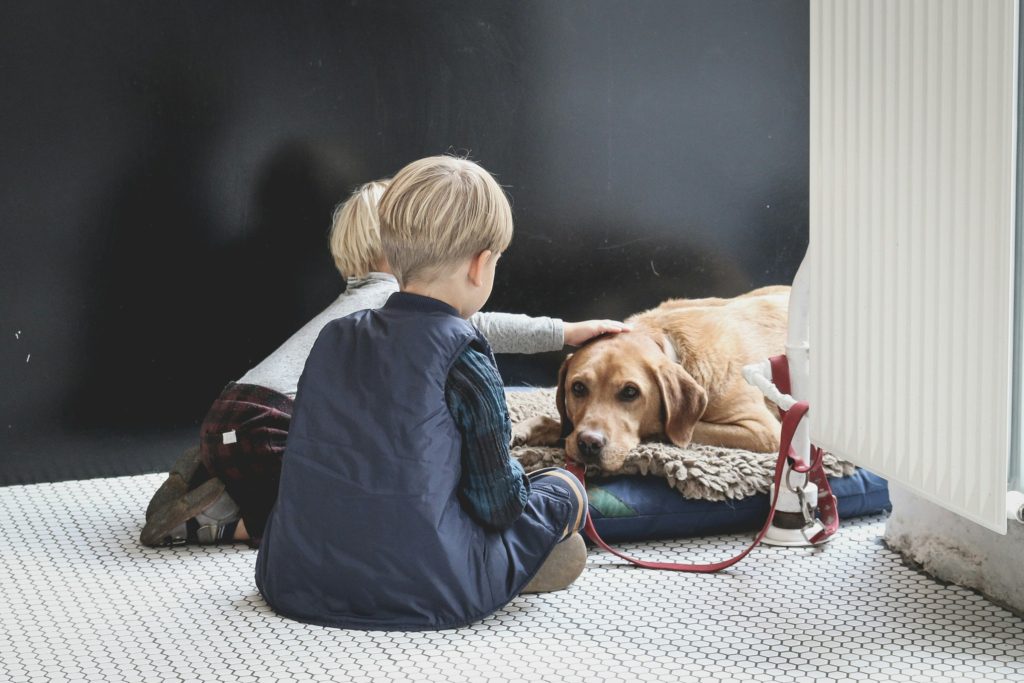
No matter how gentle your child or pet seems, supervision is essential in the beginning. Kids are still learning boundaries, and pets are still adjusting to a new environment. Staying nearby allows you to step in quickly and reinforce positive behavior on both sides.
5. Show Kids How to Read Pet Body Language

Helping kids recognize signs of stress or discomfort can prevent problems before they happen. Teach them what it means when a pet pulls away, stiffens, or seeks a quiet space. Understanding these cues builds respect and helps kids learn when it’s time to give the pet space.
6. Give the Pet a Safe Retreat

Every pet needs a place where they can relax without being touched or followed. Make it clear to your child that this area is off limits. Stock the safe haven with a comfy pet bed, an anti-spill water bowl so the area remains clean, a cozy blanket, and a few toys. When pets know they have a safe retreat, they’re more likely to feel calm and confident around kids.
Related: How to Make Your Backyard Pet-Friendly
7. Build the Relationship Gradually
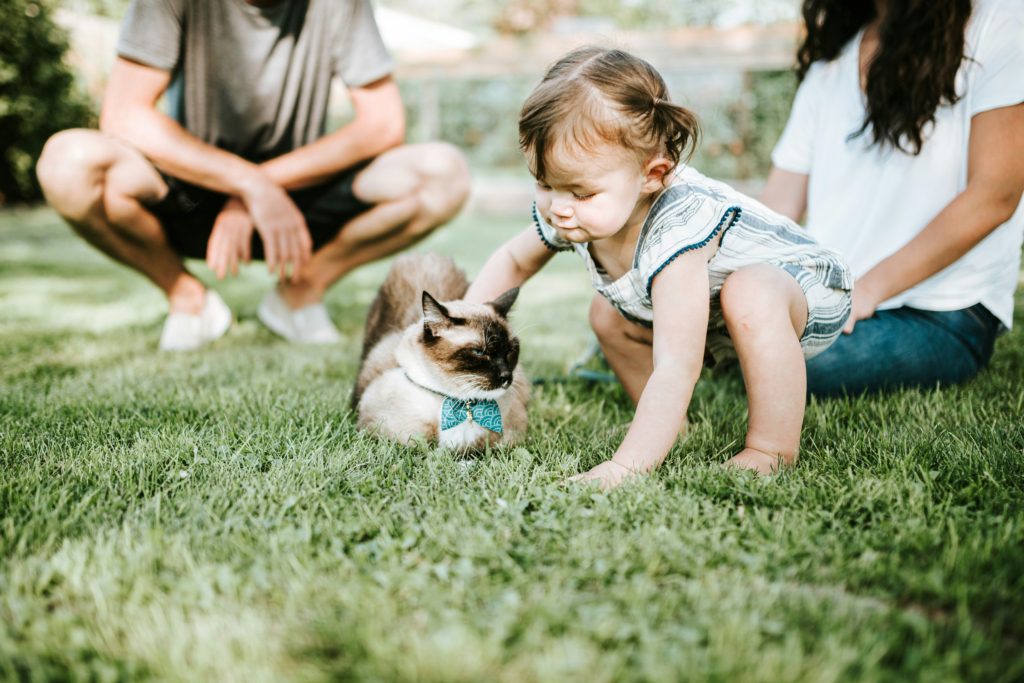
just like with humans, solid bonds don’t form overnight. Encourage short, positive interactions like gentle play, helping with feeding, or sitting quietly together. Over time, these moments add up and help both your child and your pet feel secure, connected, and comfortable with each other.
When to Step In and When to Let Kids and Pets Figure It Out

One of the trickiest parts of learning how to introduce a new pet to kids safely is knowing when to intervene and when to give everyone space. Not every awkward moment needs correction, especially when kids and pets are calmly observing each other or working through mild uncertainty. Those moments can actually help build confidence and mutual understanding when they’re safe and supervised.
That said, how to introduce a new pet to kids safely always means stepping in immediately if boundaries are crossed. Rough grabbing, chasing, raised voices, or signs of fear from the pet are clear signals that guidance is needed. Kids benefit from calm redirection instead of scolding, and pets benefit from knowing an adult will keep the situation predictable. Trust grows fastest when children learn that patience is rewarded and safety is always the priority.
How to Introduce a New Pet to Kids Safely: Items That Make the Introduction Easier
Having the right tools on hand can make how to introduce a new pet to kids safely feel far more manageable. These items help control the environment, lower stress, and give both kids and pets clear structure during early interactions.
• Baby gates or playpens to create visual separation
• Leashes or harnesses for controlled introductions
• Treats for positive reinforcement
• A designated bed or crate for the pet’s quiet space
• Books or visual guides to help kids understand pet behavior
When families think about how to introduce a new pet to kids safely, they often focus only on behavior and forget how much the environment matters. Simple items can prevent overstimulation, give pets an escape option, and help kids learn appropriate interaction without constant correction.
How to Introduce a New Pet to Kids Safely: Preparation Can Make All the Difference

When it comes to how to introduce a new pet to your kiddos in a safe manner, doing it early makes all the difference. Knowing how to introduce a new pet to kids safely protects your child, your pet, and the bond you’re hoping to build between them.
We’ve seen how small choices, like pacing interactions and setting boundaries, can prevent bigger issues later when it comes to how to introduce to kids safely. When kids feel involved but guided, and pets feel respected rather than overwhelmed, the household settles into a healthier rhythm. That balance doesn’t happen by accident, it happens with intention.
If you’re preparing to welcome a new pet, now’s the time to slow down and do it right. Learning how to introduce a new pet to kids safely gives your family the best chance at a smooth start and a positive future together. Get started now!